House Wrecking in Freehold, NJ
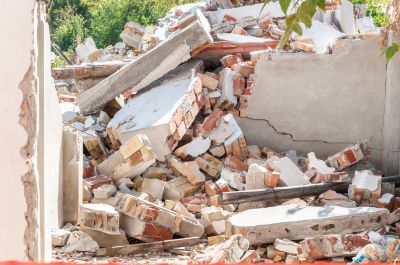
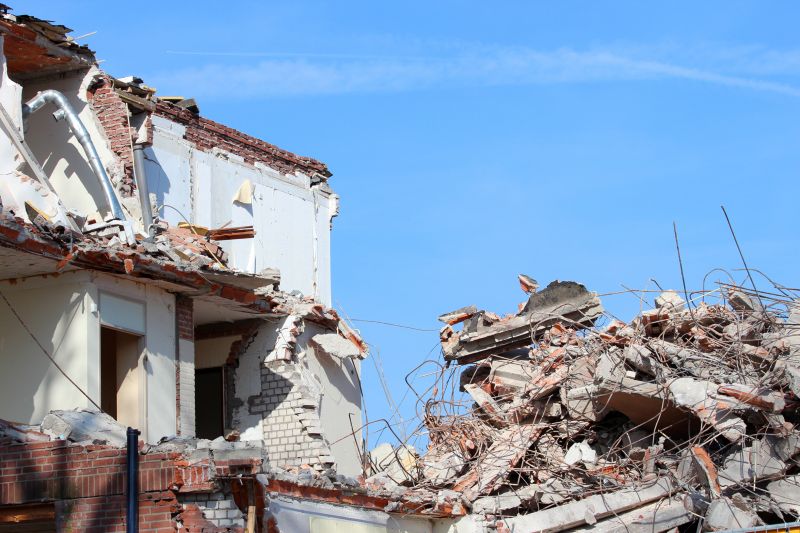
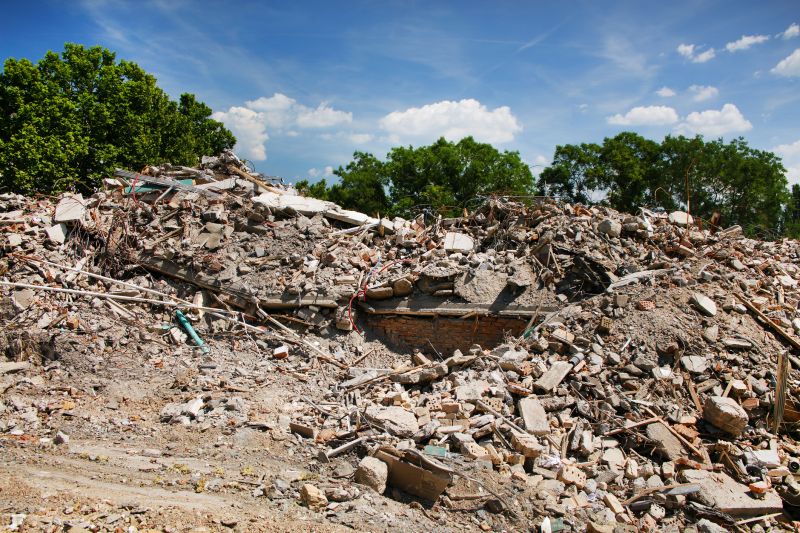
House wrecking services involve the careful demolition and removal of entire residential structures or specific parts of a home. This service is often requested for projects such as tearing down outdated or damaged buildings, preparing a property for new construction, or removing structures that are no longer safe or functional. Property owners typically seek house wrecking to efficiently and safely clear a site, ensuring that debris is properly disposed of and the property is ready for its next phase of development.
Before requesting house wrecking, property owners usually want to understand the scope of the project, including what parts of the home will be demolished and how the process will be managed to minimize disruption. It is also important to consider any local regulations or permits required for demolition work, as well as how debris will be handled and removed. Clarifying these details can help ensure the project proceeds smoothly and aligns with property goals.
Many property owners in Freehold, NJ look into House Wrecking for repairs, replacements, upgrades, and appearance-related improvements.
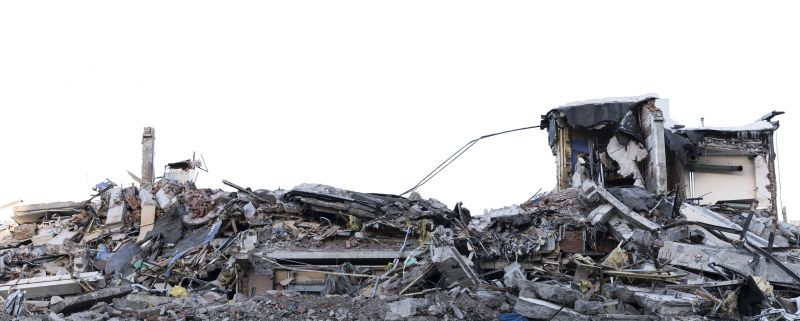
Residential Demolition
House wrecking services include removing outdated or damaged structures on residential properties in freehold, nj.
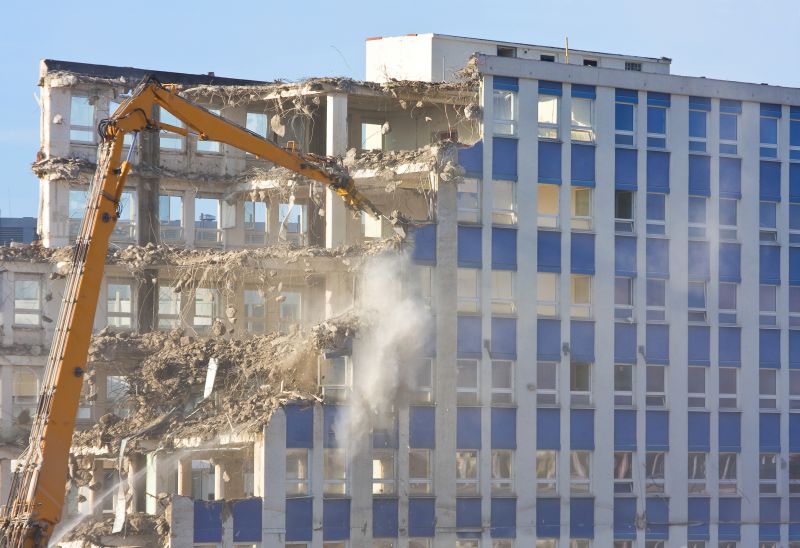
Commercial Wrecking
Comprehensive demolition solutions are available for commercial buildings and property upgrades in the area.
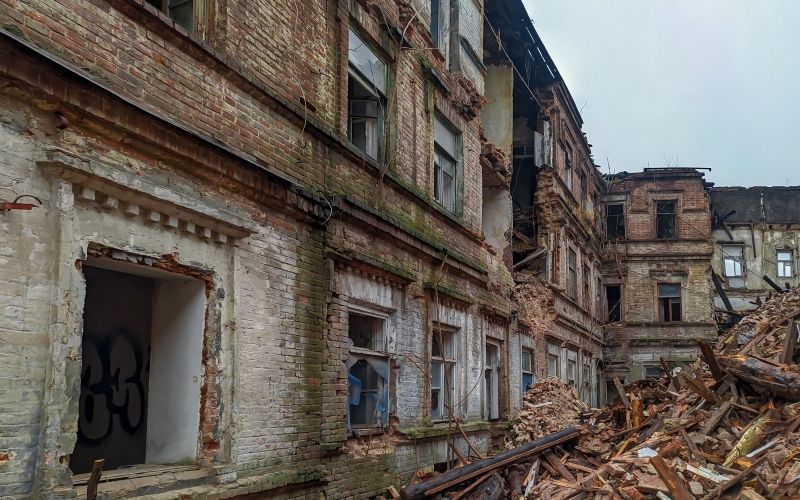
Site Clearing & Preparation
Wrecking projects often involve clearing the site to prepare for new construction or landscaping efforts.
House Wrecking in Freehold, NJ
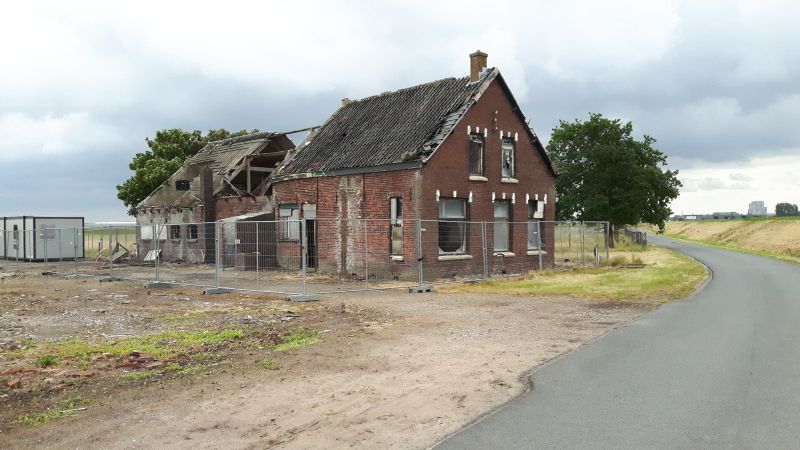
House wrecking services involve the careful demolition and removal of entire residential structures or specific parts of a home. This service is often requested for projects such as tearing down outdated or damaged buildings, preparing a property for new construction, or removing structures that are no longer safe or functional. Property owners typically seek house wrecking to efficiently and safely clear a site, ensuring that debris is properly disposed of and the property is ready for its next phase of development.
Before requesting house wrecking, property owners usually want to understand the scope of the project, including what parts of the home will be demolished and how the process will be managed to minimize disruption. It is also important to consider any local regulations or permits required for demolition work, as well as how debris will be handled and removed. Clarifying these details can help ensure the project proceeds smoothly and aligns with property goals.
Many property owners in Freehold, NJ look into House Wrecking for repairs, replacements, upgrades, and appearance-related improvements.
Common House Wrecking Jobs
House demolition - complete removal of existing structures to prepare for new construction or renovations.
Interior wrecking - tearing down interior walls, flooring, and fixtures to update or remodel living spaces.
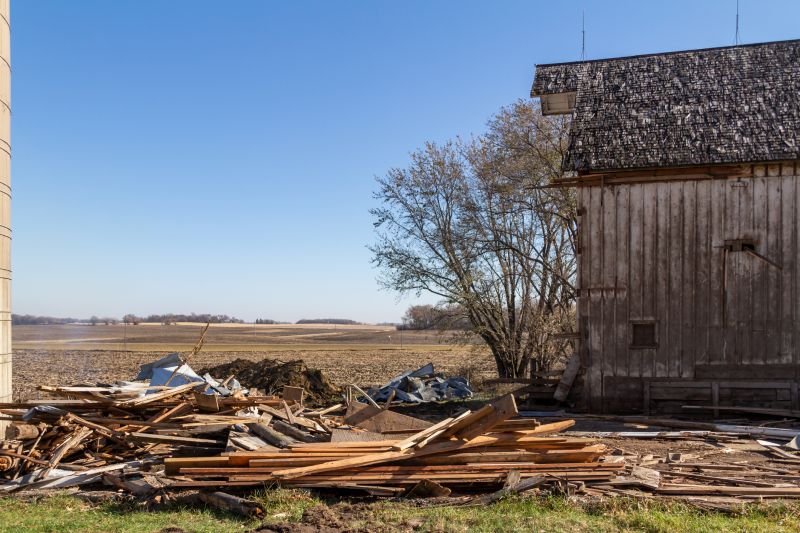
Garage and shed demolition - safely dismantling detached structures to create open land or for new builds.
Room deconstruction - partial tear-downs to remove specific areas while preserving other parts of the home.
Structural demolition - removing load-bearing elements to facilitate major renovations or additions.
Selective demolition - carefully dismantling specific components to minimize damage to remaining property.
House Wrecking Questions
What types of structures can be demolished? House wrecking services typically handle residential homes, garages, sheds, and small commercial buildings in the area.
Is the process safe for surrounding properties? Proper planning and safety measures are used to minimize impact on neighboring properties during demolition.
What should be prepared before demolition begins? Property owners should clear the site of personal belongings and ensure access for equipment and crews.
Are permits required for house wrecking? Local regulations often require permits, and the service provider can advise on necessary approvals.
Request House Wrecking in Freehold, NJ
Use the quote form on this page to share the basics of your project and request more information for the type of work you need.